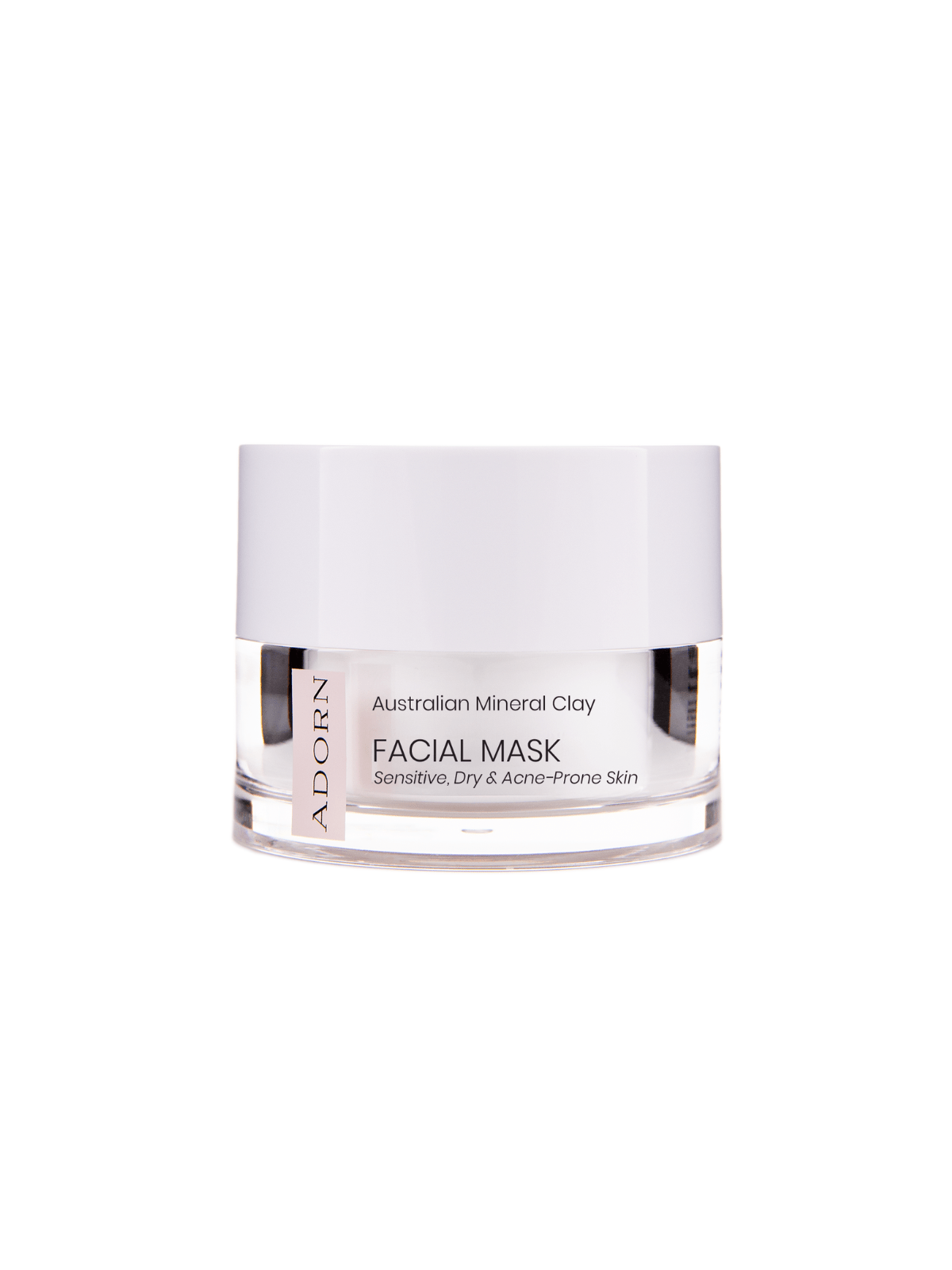
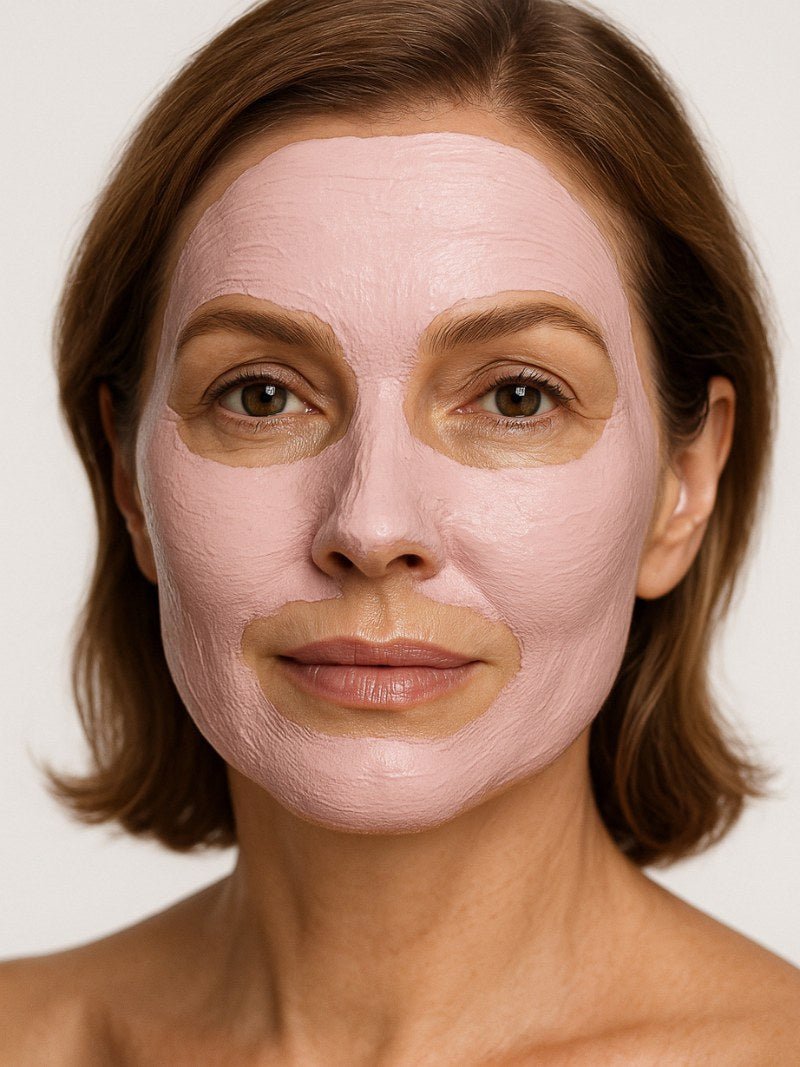
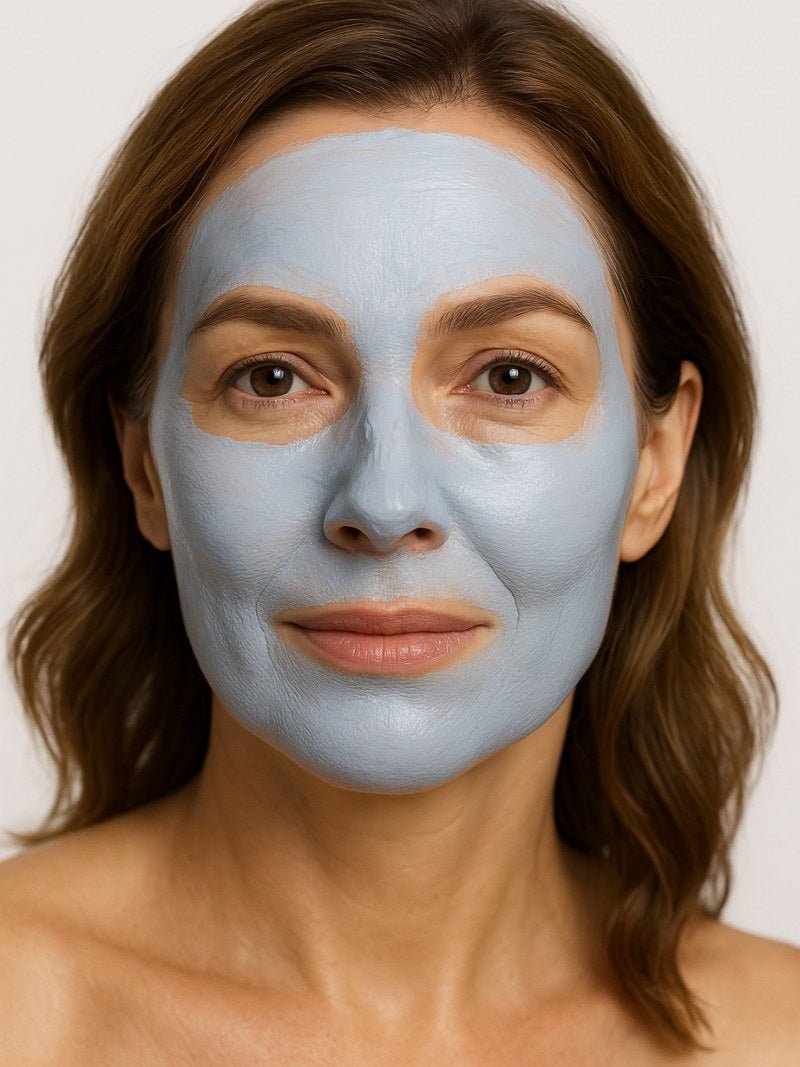
What is a natural clay face mask?
A natural clay face mask uses mineral-rich clays to draw out impurities, refine pores and improve skin texture while maintaining balance.
Which clay mask is best for my skin type?
Pink Clay Mask suits normal to oily skin with congestion or large pores.
Blue Cypress Clay Mask is ideal for normal to dry or dehydrated skin.
Yellow Clay Mask is best for oily or congested skin needing detox and oil control.
What does a pink clay mask do?
Pink clay helps brighten dull skin, reduce inflammation and refine pores, leaving skin smoother and more radiant.
Is the Blue Cypress Clay Mask good for dry skin?
Yes. It is specifically formulated for dry or dehydrated skin, delivering hydration while improving texture and glow.
Does the Yellow Clay Mask help control oil?
Yes. Yellow clay absorbs excess oil, reduces shine and helps detox clogged pores for a clearer, more matte finish.
Can clay masks help with large pores?
Yes. Clay helps draw out impurities and tighten the appearance of pores, improving overall skin smoothness.
Are these clay masks suitable for mature skin?
Yes. When used correctly, clay masks can help refine texture and boost radiance without over-drying mature skin.
How often should I use a clay face mask?
Use 1–2 times per week depending on your skin type. Oily skin may tolerate slightly more frequent use, while dry skin should limit use to once weekly.
Will these masks dry out my skin?
Each mask is formulated for specific skin needs. The Blue Cypress mask is hydrating, while Pink and Yellow focus more on detox and refinement without harsh stripping.
How long should I leave the mask on?
Apply an even layer and leave on for 10–15 minutes. Do not allow the mask to fully crack and dry, especially on dry or sensitive skin.
Can I use clay masks on uneven texture?
Yes. All three masks help improve texture by refining pores and smoothing dull surface cells.