Why a Silicone-Free Primer Makes Your Makeup Look Better on Mature Skin

Why a Silicone-Free Primer Makes Your Makeup Look Better on Mature Skin
If your foundation looks patchy by midday, settles into fine lines within hours, or pills when you apply it, the problem probably isn't your foundation. It's your primer. Or more specifically, what's in your primer?
Most makeup primers on the market use silicones like dimethicone, cyclomethicone, or cyclopentasiloxane to create a smooth, blurred surface. On younger skin, this works well short-term. On mature skin, silicones can create more problems than they solve. This guide explains why and what to use instead.
What Silicones Actually Do to Mature Skin
Silicones are synthetic polymers that coat the skin's surface. They fill in pores and fine lines to create a temporarily smooth appearance. This is why silicone makeup primers feel so satisfying on first application the skin looks airbrushed instantly.
The problems emerge over the course of the day and with repeated use.
Silicones form a film that prevents moisture from penetrating the skin. On mature skin that's already becoming drier, this traps existing dryness underneath a smooth-looking surface. Your skin looks primed but feels increasingly dehydrated throughout the day.
Silicones can clog pores. The film prevents sebum from flowing naturally, leading to congestion, breakouts, and blackheads even on skin that never had these issues before.
Silicones cause pilling. When a silicone primer meets a water-based foundation or skincare product, the different bases can separate on the skin. The result is tiny balls of product rolling off the face the dreaded pilling effect.
Silicones prevent skincare from absorbing. If you apply a serum, then a silicone primer over the top, the primer creates a barrier that stops the serum from doing its job. You're paying for active ingredients that can't reach your skin.
What Mature Skin Actually Needs From a Primer
Makeup artists who specialise in mature skin consistently recommend the same qualities in a primer. The formula should hydrate rather than coat. It should feel lightweight and absorb quickly. It should create a comfortable base that allows the skin to breathe. And ideally, it should double as a moisturiser so you can skip a step without sacrificing hydration.
The goal isn't to fill every line and pore with a synthetic filler. It's to create a healthy, hydrated surface that makeup can sit on smoothly and naturally. Well-hydrated skin holds makeup more evenly and for longer than dehydrated skin regardless of what primer you use.
How Plant-Based Ingredients Create a Better Base
Adorn's Hydrating Makeup Primer Moisturiser | Refillable replaces silicones with plant-based ingredients that deliver genuine moisture and support the skin barrier.

Marshmallow root extract provides instant hydration and calms redness. It's a natural anti-inflammatory that soothes sensitivity on contact. For women with rosacea or reactive skin, this means makeup goes on over calm, even-toned skin rather than irritated, patchy skin.
Jojoba oil closely mimics the skin's own sebum. It hydrates without heaviness, smooths texture without a greasy residue, and helps balance oil production — making it suitable for dry, oily, and combination skin alike. It's one of the few oils that's genuinely non-comedogenic.
Shea butter and cacao butter deeply condition the skin barrier. They fill and soften dry patches naturally, preventing makeup from clinging to rough areas or settling into flaky skin. This is particularly important for mature skin around the nose, forehead, and cheeks where dryness is most visible.
Natural vitamin E provides antioxidant protection. It defends against environmental damage throughout the day and supports the skin's resilience and elasticity.
The 2-in-1 Advantage
One of the most common mistakes in mature skincare routines is layering too many products. Moisturiser, then serum, then primer, then foundation each layer adds weight, increases the chance of pilling, and can make makeup look heavy and mask-like on skin that's already showing texture changes.
A 2-in-1 primer moisturiser eliminates the need for a separate moisturiser. You get the hydration of a day cream and the smoothing benefits of a primer in a single application. Fewer products on the face mean a more natural finish, less risk of pilling, and a more comfortable feel throughout the day.
On days when you're not wearing makeup, the Hydration+ works as a standalone lightweight moisturiser. It leaves skin soft, plump, and lightly dewy without shine or heaviness. This versatility makes it a true everyday essential rather than a makeup-only product.
How to Apply a Primer Moisturiser on Mature Skin
Step 1 — Cleanse
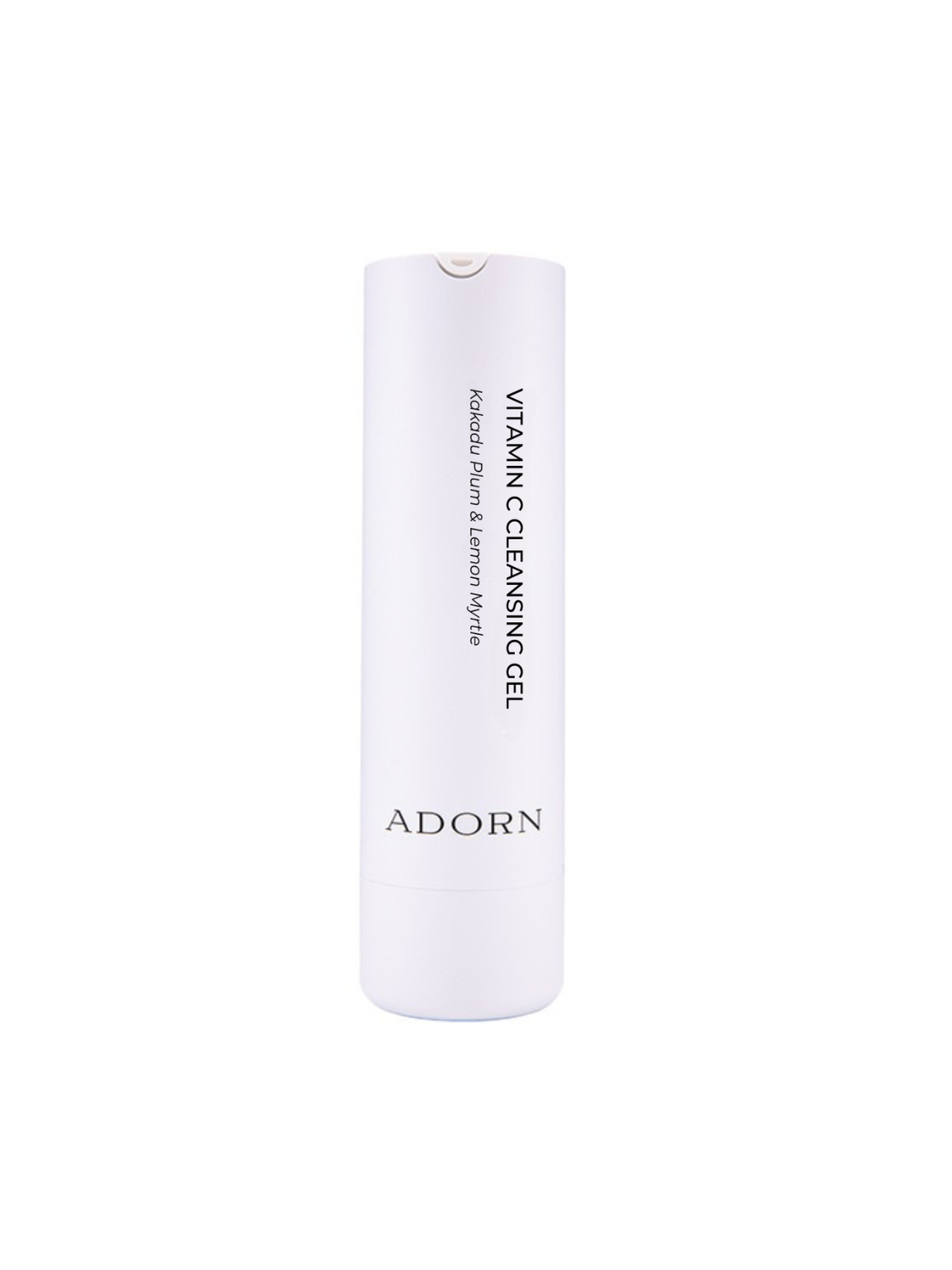
Start with clean skin. Use the Adorn Vitamin C Brightening Cleansing Gel or your preferred gentle cleanser. Pat dry — don't rub.

Step 2 — Mist
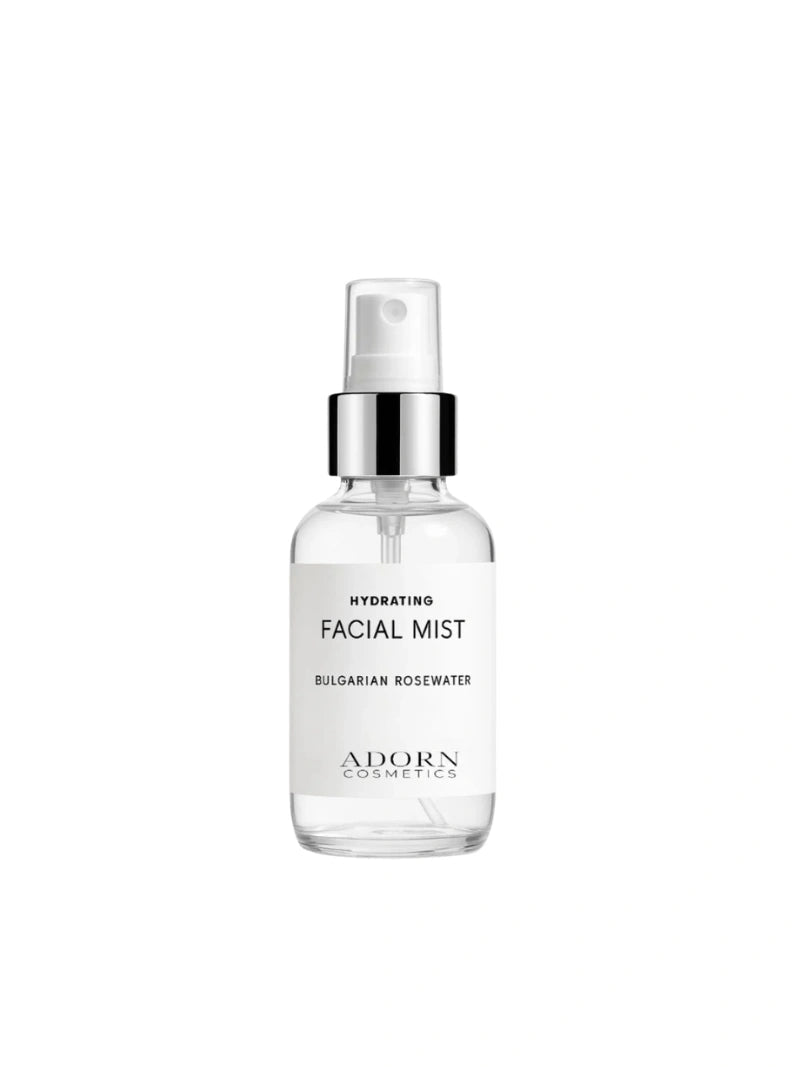
Spritz the our Pure Rosewater Hydrating Face Mist over the face. This adds a layer of hydration and helps the primer absorb more effectively. Let it settle for a moment.

Step 3 — Apply the primer
Pump 1–2 pumps onto your fingertips. Press gently into the face, neck, and décolletage. Don't rub — pressing helps the product absorb into the skin rather than sitting on top. Avoid the immediate eye area; use a separate eye cream there.
Step 4 — Wait
Allow one to two minutes for the primer to fully absorb before applying foundation. This step is essential. If you apply makeup before the primer has absorbed, you'll get pilling and uneven coverage. The primer should feel dry to the touch smooth and soft, not tacky or wet.
Step 5 — Apply makeup
Apply your foundation, BB cream, or mineral powder as normal. You'll notice that it glides on more smoothly, blends more easily, and sits more naturally on the skin. Because the primer has delivered genuine hydration rather than a silicone coating, your makeup will wear more comfortably and last longer without settling into fine lines.
Signs Your Current Primer Isn't Working
Your foundation pills or balls up when you apply it. This usually means a silicone primer is clashing with a water-based foundation.
Your makeup settles into fine lines by midday. This suggests your primer is coating rather than hydrating, the lines are still dry underneath, and the foundation is pulling into them.
Your skin feels tight or dry under your makeup. A primer should add moisture, not trap dryness underneath a smooth film.
You're breaking out in areas you never used to. Silicone-based primers can clog pores over time, causing congestion in the chin, nose, and forehead.
Your skincare products don't seem to be working. If you're applying a silicone primer over your serums, the silicone film may prevent active ingredients from being absorbed.
If any of these sound familiar, switching to a silicone-free primer moisturiser is worth trying. Many women see an immediate improvement in how their makeup applies and wears and a gradual improvement in their skin's hydration and clarity over the following weeks.