Face Oil vs Moisturiser (Do You Really Need Both)

If you have ever wondered whether you should be using a face oil, a moisturiser, or both, the difference between face oil vs moisturiser can feel confusing, especially when both promise hydration, nourishment, and glowing skin.
The truth is, they are not the same thing, and understanding how they work can completely change the way your skincare routine supports your skin. Instead of choosing one over the other, many skin types benefit from using both in the right way.
In this guide, we’ll break down the difference between face oil and moisturiser, how each one works, when to use them, and how to layer them for the best results, especially for mature, dry, or sensitive skin.
What is a moisturiser
A moisturiser is typically a blend of water, humectants, emollients, and sometimes occlusive ingredients. Its main role is to hydrate the skin and help maintain moisture balance.
Moisturisers work by drawing water into the skin and helping to keep it there. Ingredients like glycerin and hyaluronic acid help attract hydration, while other components soften and smooth the skin.
For many people, moisturiser is the core step in their skincare routine because it delivers both hydration and comfort in one product.
What is a face oil
A face oil is made up of lipids and plant-based oils that help nourish the skin and reduce moisture loss. Unlike moisturisers, face oils do not add water to the skin. Instead, they help seal in hydration and support the skin barrier.
Face oils are particularly useful for adding softness, improving skin comfort, and creating a more supple, radiant finish. They can also help protect the skin from environmental stress when formulated with antioxidant-rich ingredients.
Face oil vs moisturiser: what is the difference
The main difference between face oil vs moisturiser is how they support the skin.
- Moisturiser adds hydration and helps keep the skin balanced
- Face oil nourishes and helps seal in that hydration
Think of moisturiser as the step that brings water into the skin, while face oil helps lock it in and protect the barrier. One focuses on hydration, the other on nourishment and moisture retention.
Because they do different jobs, they often work best together rather than as replacements for each other.
Do you need both face oil and moisturiser
Many skin types, especially mature and dry skin, benefit from using both. As skin matures, it often becomes less able to retain moisture and produce natural oils, which means it can feel drier, less comfortable, and more prone to dullness.
Using a moisturiser alone may not always be enough to keep the skin feeling nourished throughout the day. Adding a face oil can help reinforce the barrier and reduce moisture loss, making the skin feel softer and more supported.
However, not everyone needs both at all times. Some people may prefer a simplified routine where a well-formulated face oil provides enough nourishment on its own, especially during the day.
When to use moisturiser only
You may find that moisturiser alone is enough if:
- your skin is balanced and not particularly dry
- you prefer a lighter skincare routine
- you are in warmer weather where heavier layers feel unnecessary
In these cases, a good moisturiser can provide hydration and comfort without needing an additional oil layer.
When to use face oil and moisturiser together
Using both face oil and moisturiser is especially helpful when the skin needs extra support. This is often the case for:
- mature skin
- dry or dehydrated skin
- skin exposed to air conditioning, heating, or environmental stress
- skin that feels tight, rough, or uncomfortable
Layering both products can help improve hydration, softness, and overall skin resilience. The moisturiser provides hydration, while the oil helps seal it in and protect the skin barrier.
How to layer face oil and moisturiser correctly
The order you apply your products matters. In most routines, products should be applied from lightest to heaviest.
A simple layering method looks like this:
- Cleanse
- Apply serum
- Apply moisturiser
- Apply face oil
This allows the moisturiser to deliver hydration first, and the face oil to seal it in afterwards.
However, some people prefer to apply oil before moisturiser, especially if the oil is lightweight. The most important thing is how your skin feels. If it feels comfortable, hydrated, and balanced, your routine is working.
For a full step-by-step routine, read our guide on how to use face oil in your skincare routine.
Can face oil replace moisturiser
Sometimes, but not always. Face oil can replace moisturiser for some skin types, particularly if the formula is well-balanced and your skin is not extremely dehydrated. However, because face oil does not provide water-based hydration, it may not be enough on its own for those with dry or mature skin.
In most cases, using both gives the best result because you are addressing both hydration and moisture retention.
Best face oil for mature skin
If you are considering adding a face oil into your routine, choosing the right formula is key. The best face oil for mature skin should be lightweight, nourishing, and supportive of the skin barrier without feeling heavy.
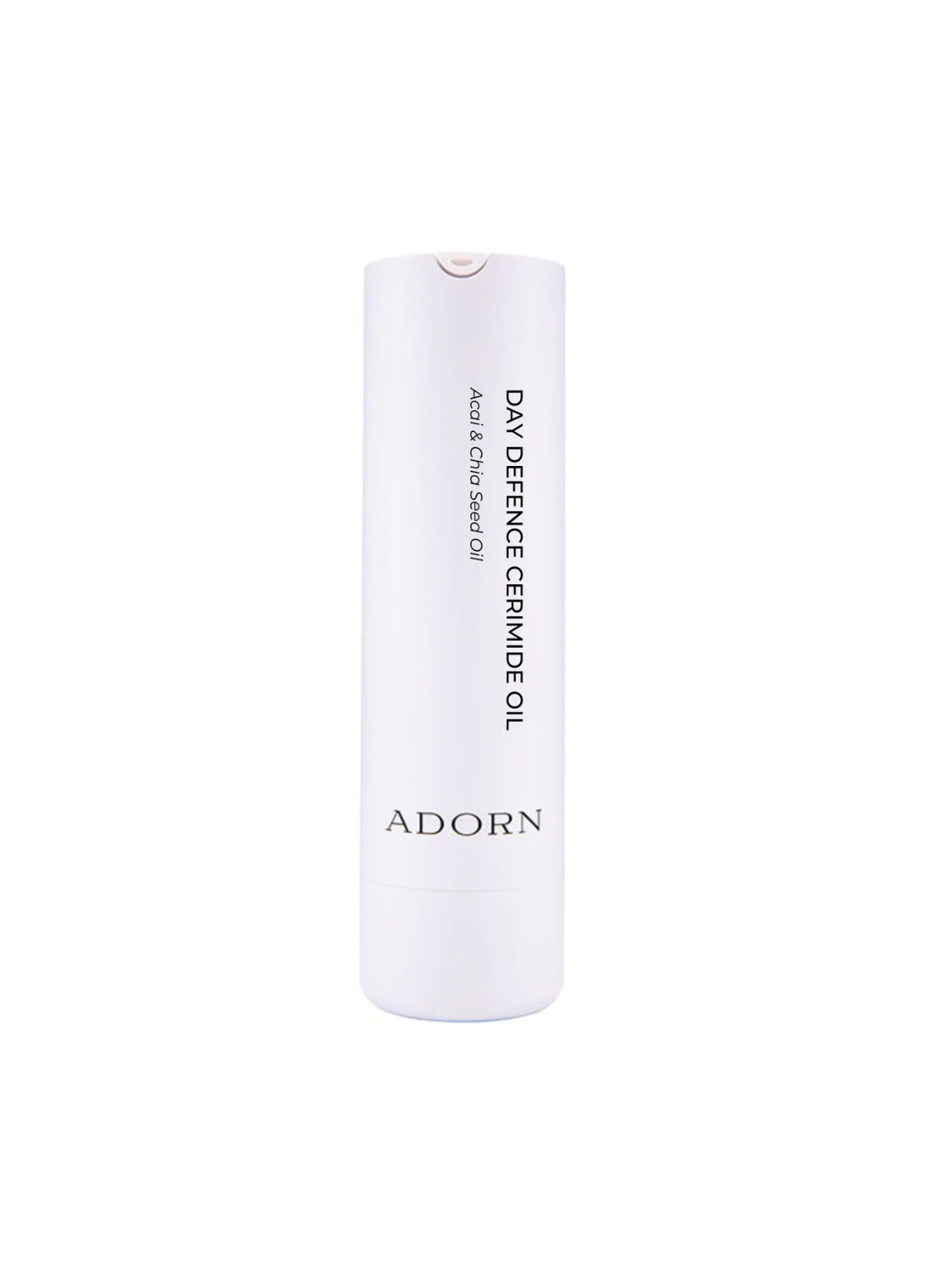
Adorn’s Day Defence Face & Makeup Oil is designed to do exactly that. It helps strengthen the skin barrier, protect against environmental stress, and deliver lasting nourishment while remaining comfortable for daily use.

With ingredients like jojoba oil, chia seed oil, acai oil, and natural Vitamin E, it supports skin softness, hydration balance, and overall resilience. It is also light enough to work beautifully under makeup, making it a versatile addition to your routine.
If you want a deeper dive into choosing the right oil, read our guide on the best face oil for mature skin.
Which is better for dry skin
For dry skin, using both moisturiser and face oil is often the most effective approach. Moisturiser provides hydration, while face oil helps lock it in and prevent moisture loss.
This combination helps the skin feel more comfortable throughout the day and reduces the cycle of dryness that can make skin look dull or feel tight.
Common mistakes when using face oil and moisturiser
Using both products can be incredibly beneficial, but a few mistakes can affect the result:
- applying too much oil and overwhelming the skin
- skipping hydration and relying only on oil
- using products that are too heavy for daytime wear
- not allowing layers to settle before applying the next step
Keeping the routine simple and balanced usually gives the best outcome.
Understanding face oil vs moisturiser is less about choosing one and more about understanding how they work together. Moisturiser hydrates the skin, while face oil nourishes and helps seal in that hydration.
For mature, dry, or sensitive skin, using both can create a more supportive routine that improves comfort, softness, and overall radiance. If you prefer a simpler routine, a well-formulated face oil can sometimes be enough during the day, especially when it is lightweight and balanced.
If you are looking for a daily oil that supports the skin barrier and works beautifully alongside your moisturiser, Adorn’s Day Defence Face & Makeup Oil is a beautiful place to start.
You can also explore our related guides on how to use face oil and face oil under makeup to build out your routine further.