How to Improve Skin Elasticity Naturally (Best Ingredients for Firm Skin)
Why Your Skin Isn’t Firm Anymore (And How to Restore Elasticity Naturally)
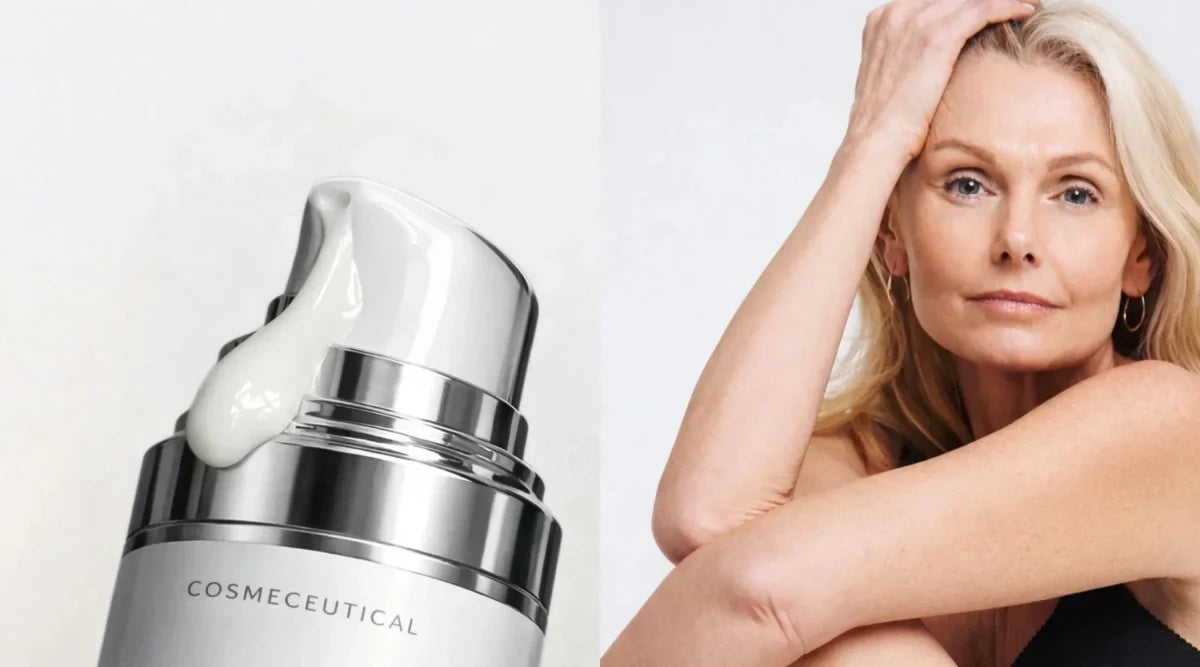
If your skin doesn’t feel as firm, plump or bouncy as it used to, you’re not imagining it. One of the first visible signs of ageing is a loss of skin elasticity, and it can show up before deeper wrinkles fully form.
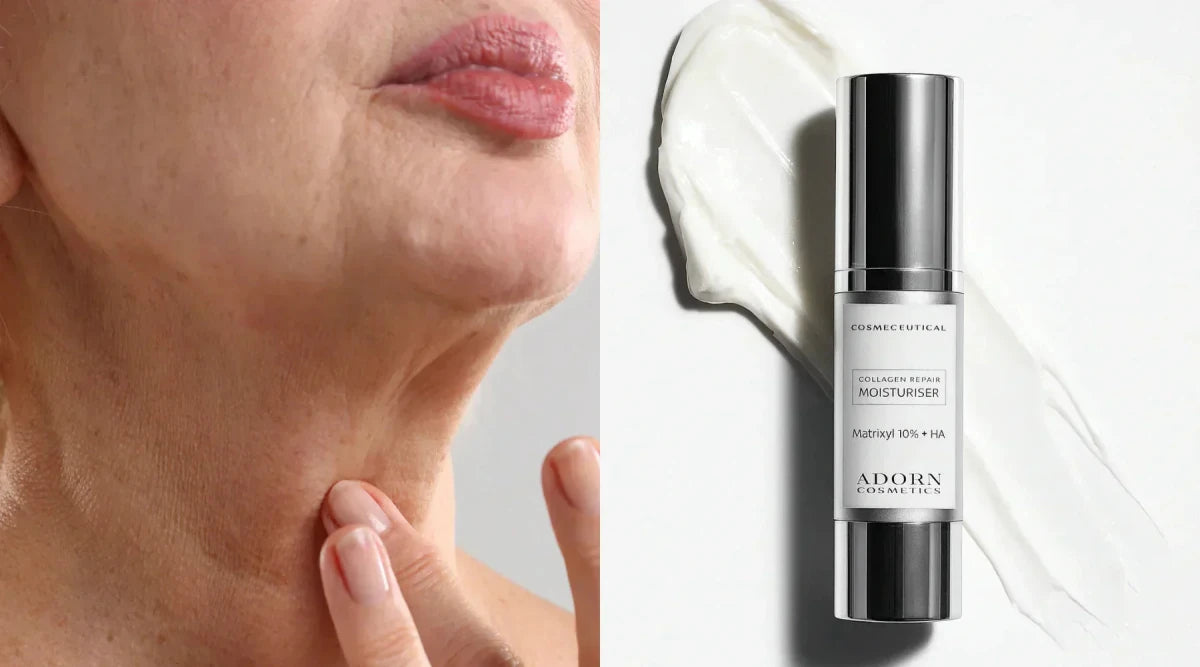
You might notice your skin feels softer, thinner or less supported. Your jawline may not look as defined, and your neck may begin to crease or appear more delicate.
The good news is that understanding why this happens gives you the power to support your skin in the right way. With the right ingredients and routine, you can help restore the appearance of firmer, smoother and more resilient skin over time.
What Is Skin Elasticity?
Skin elasticity refers to your skin’s ability to stretch and bounce back into place. When your skin is youthful and healthy, it appears firm, lifted and smooth.
This bounce comes from two key structural proteins in the skin: collagen and elastin.
Collagen gives the skin strength and structure, while elastin allows it to stretch and return to its original shape. Together, they create that plump, lifted look we associate with healthy skin.
As these proteins decline, the skin begins to lose its firmness and resilience.
Why Skin Loses Elasticity Over Time
Loss of elasticity is a natural part of ageing, but it is also influenced by lifestyle and environmental factors.
1. Collagen Decline
From your mid-20s onwards, collagen production gradually slows down. Over time, this leads to thinner skin, fine lines and a loss of firmness.
2. Reduced Elastin
Elastin is even harder for the body to replenish once it breaks down. This contributes to sagging and less bounce in the skin.
3. Sun Exposure
UV exposure is one of the biggest contributors to premature skin ageing. It breaks down collagen and elastin, accelerating the loss of firmness.
4. Dehydration
When skin lacks moisture, it can appear dull, crepey and less plump. Hydration plays a key role in how firm your skin looks.
5. Barrier Damage
A weakened skin barrier can lead to dryness, sensitivity and increased signs of ageing. Healthy skin needs both structure and protection.
Signs Your Skin Is Losing Elasticity
- Skin feels softer or thinner
- Fine lines becoming more noticeable
- Loss of definition around the jawline
- Neck lines or crepey texture
- Skin looks less lifted or firm
These changes can happen gradually, which is why many people notice them suddenly over time.
Why Most Firming Products Don’t Work
Many products marketed as “firming” focus only on surface hydration. While hydration is important, it is not enough on its own to support long-term elasticity.
Other products rely on harsh actives that may stimulate change but can also irritate the skin, especially mature skin.
True skin support comes from a balance of collagen-supporting ingredients, hydration and barrier care.
The Role of Peptides in Restoring Skin Elasticity
Peptides are one of the most effective ingredients for supporting skin elasticity without irritation.
They act as messengers, helping signal the skin to produce more collagen and support its natural repair processes.
This makes peptides ideal for mature skin that needs support, not stress.
One of the most well-known peptide complexes is Matrixyl, which has been widely used in advanced anti-ageing formulations.
If you want a deeper comparison between peptides and traditional actives, read our guide: Matrixyl vs Retinol: Which Anti-Ageing Ingredient Is Better for Mature Skin?
How Matrixyl Supports Firmer-Looking Skin
Matrixyl works by supporting the skin’s natural collagen processes rather than forcing rapid turnover.
This helps improve the appearance of:
- Fine lines and wrinkles
- Skin firmness
- Elasticity
- Overall skin texture
Because it is gentle and supportive, it is well suited to mature, dry or sensitive skin.
You can learn more about how peptides work in our guide: Matrixyl: The Peptide Mature Skin Can Trust
Key Ingredients That Support Skin Elasticity
Matrixyl Peptides
Support collagen production and help improve skin firmness over time.
Hyaluronic Acid
Helps attract moisture to the skin, creating a plumper, smoother appearance.
Jojoba Oil
Nourishes the skin and supports the barrier, helping maintain softness and comfort.
Vitamin E
Provides antioxidant support and helps protect the skin from environmental stress.
How to Improve Skin Elasticity Naturally
Improving skin elasticity is not about one product. It is about consistency and supporting your skin in the right way.
1. Use Peptides Daily
Incorporate a peptide-based cream into your routine to support collagen and elasticity.
2. Hydrate Consistently
Use hydrating ingredients to keep the skin plump and reduce the appearance of fine lines.
3. Protect with SPF
Daily sun protection is essential to prevent further collagen breakdown.
4. Keep Your Routine Gentle
Avoid overloading your skin with harsh actives that can weaken the barrier.
The Best Cream for Skin Elasticity
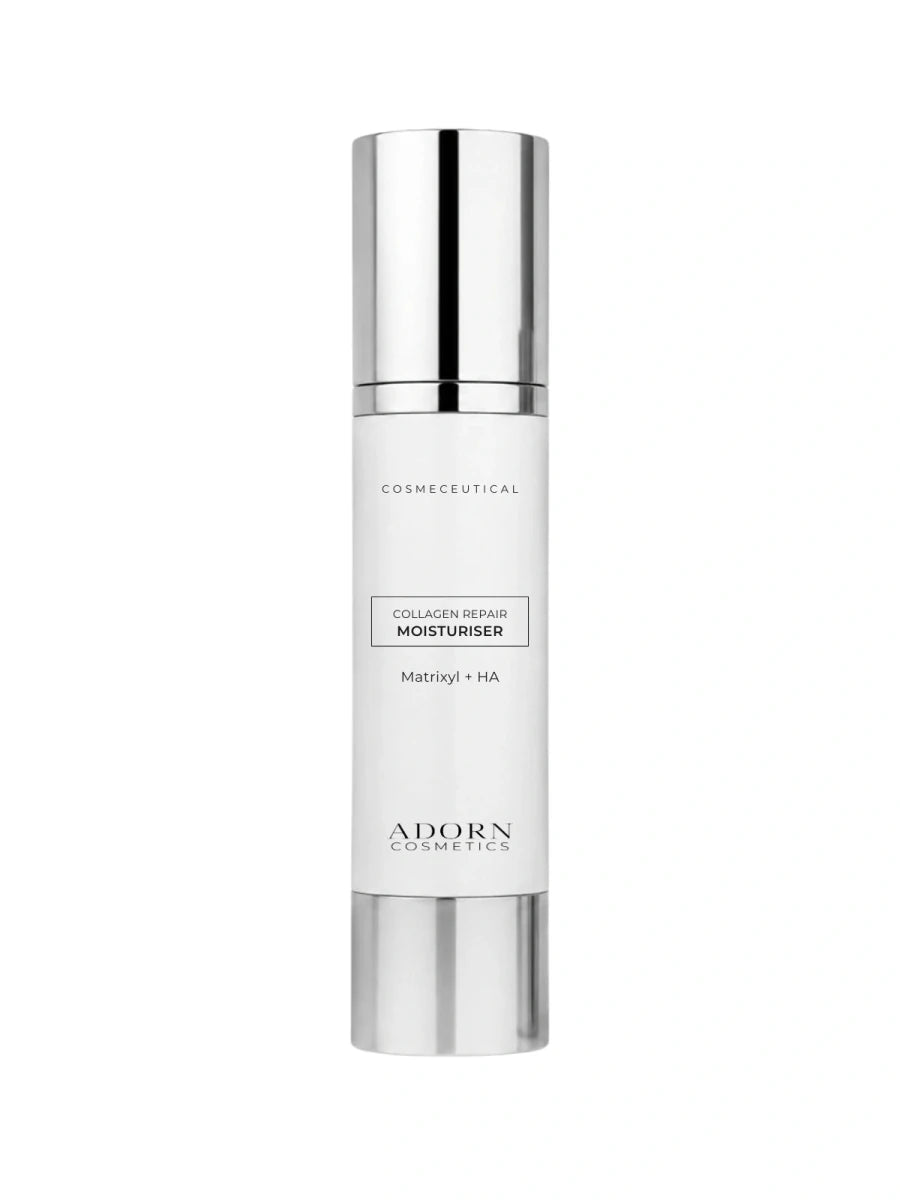
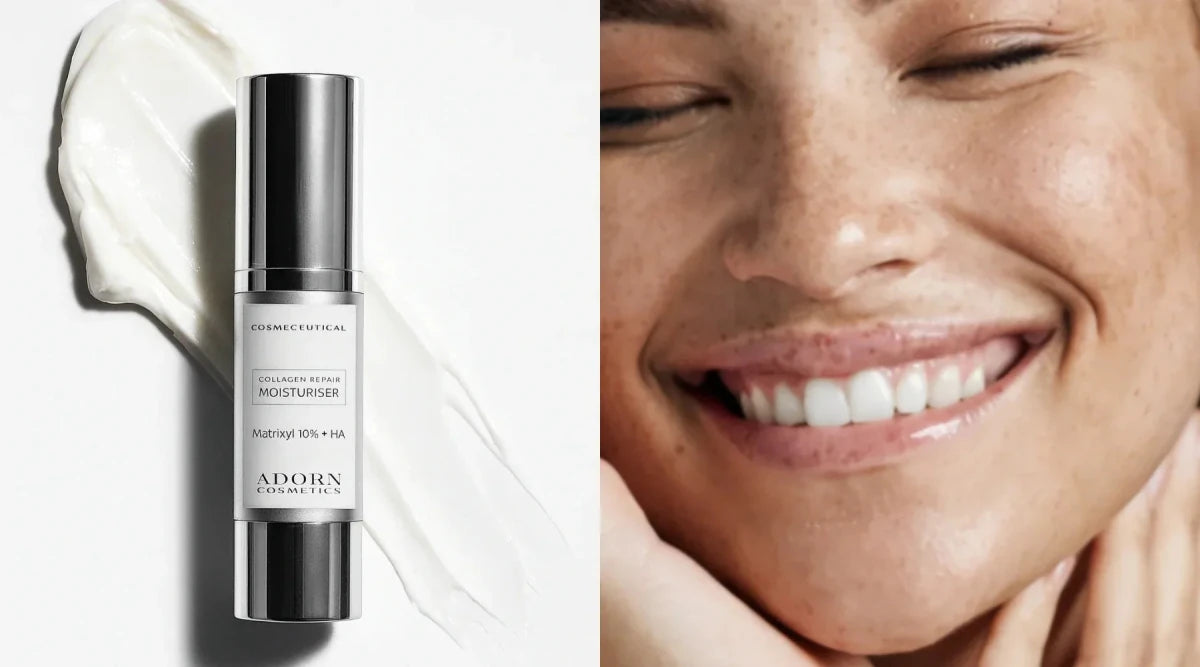
If you are looking for a simple way to support skin elasticity daily, the Matrixyl 10% Face & Neck Wrinkle Cream is designed for mature skin.

This cosmeceutical-grade formula combines Matrixyl peptides with hydrating and nourishing ingredients to support firmness, smoothness and elasticity.
- Encourages collagen production
- Improves the look of firmness and elasticity
- Smooths fine lines and wrinkles
- Hydrates and plumps the skin
- Suitable for face, neck and eye area
It can be used as both a moisturiser and a treatment step, making it easy to incorporate into your daily routine.
Don’t Forget the Neck
Skin elasticity does not only affect the face. The neck is often one of the first areas to show visible ageing.
If you are noticing changes in your neck, read our guide: The Best Neck Firming Cream in Australia
Applying your peptide cream to both the face and neck can help create more balanced, consistent results.
A Simple Routine for Firmer-Looking Skin
Morning
- Cleanse gently
- Apply Matrixyl cream
- Apply SPF
Evening
- Cleanse
- Apply Matrixyl cream
- Optional: add a nourishing oil
Consistency matters more than complexity. A simple routine done daily will always outperform an inconsistent one.
How Long Does It Take to Improve Skin Elasticity?
Hydration benefits can be noticed relatively quickly, but visible improvements in elasticity take time.
With consistent use of peptide-based skincare, many people begin to notice smoother, firmer-looking skin within 8 to 12 weeks.
Long-term consistency leads to the best results.
Loss of skin elasticity is a natural part of ageing, but it can be supported with the right approach. Instead of relying on harsh treatments, focusing on collagen support, hydration and barrier care can help restore the appearance of firmer, smoother skin.
Matrixyl peptides offer a gentle, effective way to support mature skin without irritation.
If you are ready to support your skin daily, the Matrixyl 10% Face & Neck Wrinkle Cream is a simple, effective place to start.
FAQs
Can you improve skin elasticity naturally?
Yes, you can support skin elasticity naturally by using collagen-supporting ingredients like peptides, maintaining hydration and protecting the skin with SPF.
What is the best ingredient for skin elasticity?
Peptides such as Matrixyl are among the best ingredients for supporting skin elasticity because they help signal the skin to produce more collagen.
Do peptides really work for sagging skin?
Peptides can help improve the appearance of sagging skin by supporting collagen and improving skin structure over time.
How long does it take to improve skin elasticity?
Most people notice visible improvements within 8 to 12 weeks with consistent use of targeted skincare.
Is collagen skincare effective?
Topical collagen itself does not replace lost collagen, but ingredients that support collagen production, such as peptides, can help improve skin firmness.