Matrixyl vs Retinol: Which Anti-Ageing Ingredient Is Better for Mature Skin?
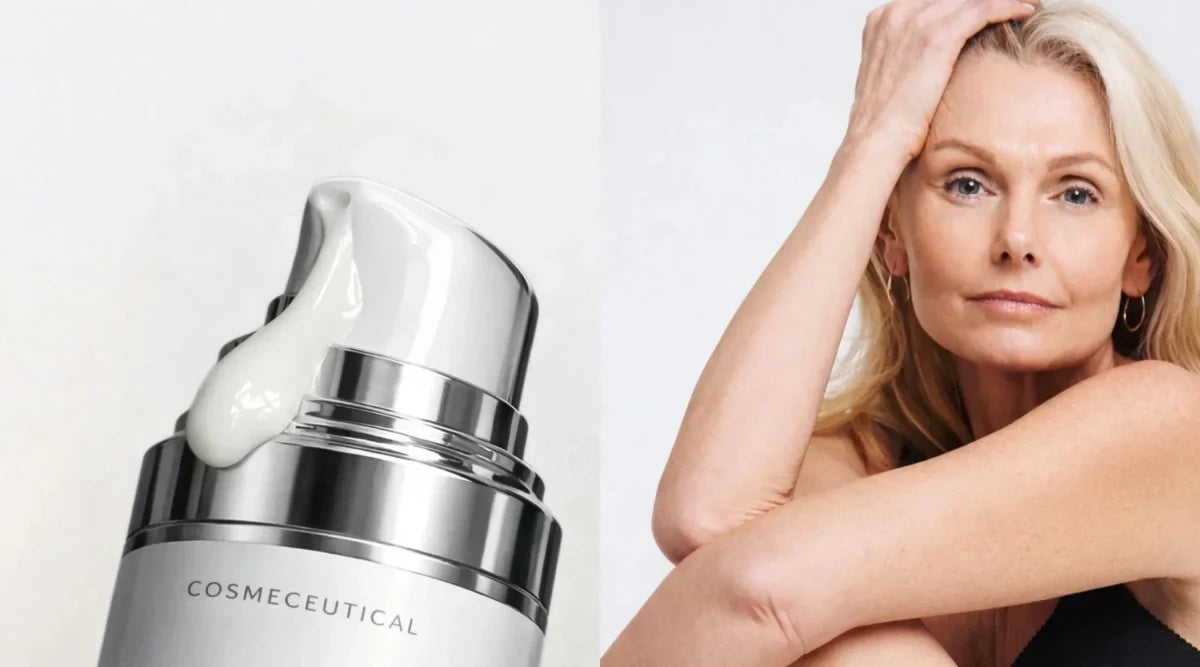
Matrixyl and retinol both target fine lines, but they work differently: retinol speeds cell turnover (and can irritate), while Matrixyl is a peptide that gently supports collagen without the dryness. For sensitive, mature skin, Matrixyl is often the gentler choice. See Adorn’s Matrixyl cream.
Matrixyl vs Retinol
When it comes to reducing fine lines and wrinkles, two ingredients dominate the conversation: retinol and Matrixyl peptides. Both are known for their ability to support smoother, firmer-looking skin, but they work in very different ways.
If your skin is becoming more sensitive, dry, or reactive with age, choosing the right ingredient matters more than ever. Not all anti-ageing ingredients are created equal, especially for mature skin.
So how do you decide between Matrixyl vs retinol? Let's break it down.
What Is Retinol?
Retinol is a derivative of vitamin A and has long been considered a gold standard in anti-ageing skincare. It works by increasing skin cell turnover, helping to shed dead skin cells and reveal smoother, fresher-looking skin.
Over time, retinol can help reduce the appearance of fine lines, wrinkles, and uneven skin tone while supporting collagen production.
However, this comes with a downside.
Retinol can be harsh on the skin, particularly for mature or sensitive skin types. Common side effects include dryness, flaking, redness, and irritation. Many people also experience a purging phase when first introducing retinol.
For skin that is already experiencing thinning, dehydration, or sensitivity, this disruption to the skin barrier can do more harm than good if not carefully managed.
What Is Matrixyl?
Matrixyl is a powerful peptide complex designed to support collagen production without the irritation often associated with stronger actives.
Instead of forcing rapid skin turnover, Matrixyl works by signalling the skin to repair itself and produce more collagen naturally. This makes it a gentler, more supportive approach to anti-ageing.
Rather than breaking the skin down to rebuild it, Matrixyl works by mimicking the skin's natural communication system. It essentially "tells" your skin to behave in a more youthful way. Read our guide on Matrixyl Peptide: The Smart Anti-Ageing Ingredient Mature Skin Can Trust.
Deep Dive: How Matrixyl Peptides Actually Work
The Matrixyl complex used in advanced skincare formulations typically includes a combination of signal peptides that target different aspects of skin ageing. Each peptide plays a unique role.
Palmitoyl Tripeptide-38
This is one of the most advanced peptides in the Matrixyl family. It works by stimulating the production of key skin components including collagen, elastin, and hyaluronic acid.
Think of it as a multi-tasking peptide that helps rebuild the skin's structure from within. Over time, this leads to smoother skin texture and a visible reduction in wrinkle depth.
Palmitoyl Tripeptide-1
This peptide is known for its ability to support collagen synthesis. It helps reinforce the skin's structural integrity, improving firmness and resilience.
It also plays a role in repairing damaged skin, making it particularly beneficial for mature skin that has been exposed to environmental stress over time.
Palmitoyl Tetrapeptide-7
This peptide focuses on reducing inflammation and supporting the skin's healing process. Chronic, low-level inflammation is one of the hidden drivers of skin ageing.
By calming the skin and reducing inflammatory responses, this peptide helps create an environment where collagen can thrive.
Together, these peptides work synergistically to improve skin texture, elasticity, and overall appearance without compromising the skin barrier.
Matrixyl vs Retinol: Key Differences
1. Skin Tolerance
Retinol can often lead to irritation, especially for mature skin that is already prone to dryness. Matrixyl is known for being gentle and well tolerated, even on delicate areas like the neck and around the eyes.
2. Approach to Anti-Ageing
Retinol accelerates skin turnover, which can sometimes weaken the skin barrier if overused. Matrixyl works with your skin, encouraging natural repair and collagen support over time.
3. Hydration and Barrier Support
Mature skin tends to lose moisture more easily. Retinol can increase dryness, while Matrixyl is often paired with hydrating ingredients like hyaluronic acid to help plump and nourish the skin.
4. Suitability for Sensitive Skin
If your skin feels reactive, tight, or compromised, Matrixyl is typically the safer option. It delivers anti-ageing benefits without triggering inflammation.
Clinical Insights: What the Research Says
Peptides like Matrixyl have been widely studied for their role in improving visible signs of ageing.
Clinical studies on Matrixyl formulations have shown:
- Reduction in wrinkle depth over consistent use
- Improvement in skin elasticity and firmness
- Enhanced skin hydration levels
- Visible smoothing of fine lines
One of the key advantages highlighted in research is that these improvements occur without the irritation commonly associated with retinoids.
Retinol, while effective, is often associated with an adjustment period where the skin becomes dry, flaky, or inflamed. For some users, this leads to discontinuation before results are fully achieved.
Peptides offer a more sustainable pathway to results, especially for long-term use.
Why Mature Skin Responds Better to Peptides
As we age, collagen production slows down, leading to sagging, fine lines, and loss of elasticity. At the same time, the skin barrier becomes weaker, making it more prone to irritation.
This is why stronger actives like retinol are not always the best fit for mature skin.
Peptides like Matrixyl offer a more supportive approach by encouraging the skin to repair itself without disruption. This helps improve firmness and skin elasticity while maintaining comfort and hydration.
For many people, this means more consistent results without the setbacks of irritation or sensitivity.
The Role of Hydration in Reducing Wrinkles
Hydration plays a key role in how wrinkles appear on the skin.
When skin is dehydrated, fine lines can look deeper and more pronounced. Ingredients like hyaluronic acid help attract and retain moisture, creating a plumper, smoother appearance.
This immediate plumping effect works alongside long-term collagen support from peptides, giving both instant and progressive results.
A Gentler Alternative: Matrixyl 10% Face & Neck Wrinkle Cream
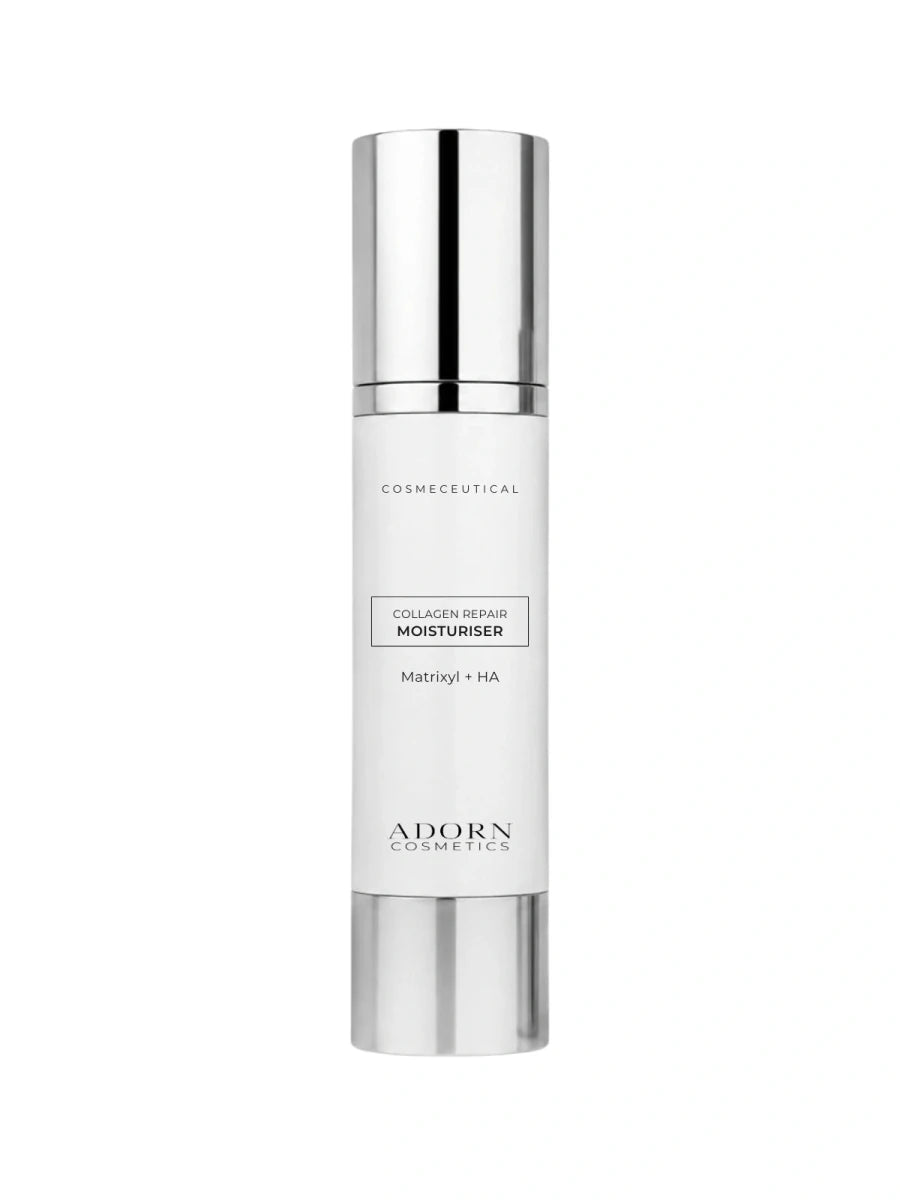
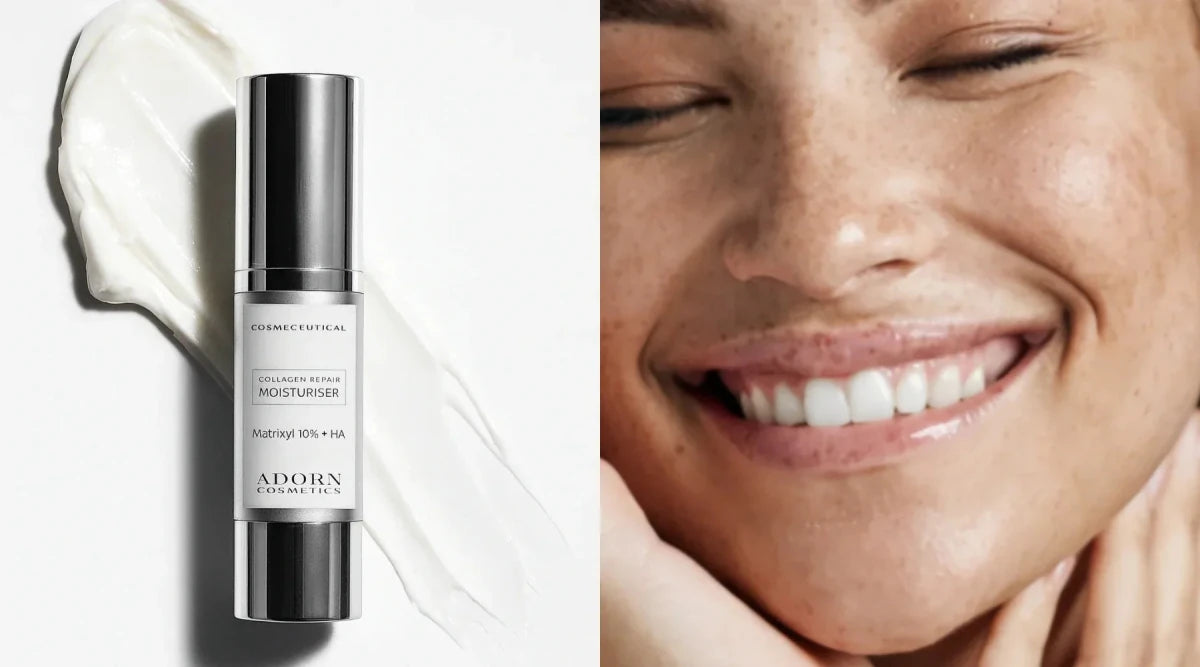
If you're looking for a high-performance anti-ageing cream without the irritation of retinol, the Matrixyl 10% Face & Neck Wrinkle Cream is designed specifically for mature skin.

This cosmeceutical-grade formula combines a 10% Matrixyl peptide complex with hydrating ingredients to target fine lines, wrinkles, and loss of elasticity.
- Supports collagen production for firmer-looking skin
- Smooths fine lines and wrinkles
- Improves elasticity and skin resilience
- Deeply hydrates and plumps with hyaluronic acid
- Gentle enough for the eye area and neck
It can be used as both a moisturiser and a serum, making it a versatile addition to your routine.

How to Use Matrixyl in Your Routine
Matrixyl is easy to incorporate into your skincare routine and does not require a slow introduction like retinol.
- Apply morning and evening to clean skin
- Use on both face and neck
- Layer with hydrating products
- Always apply SPF during the day
Consistency is key for best results.
Can You Use Matrixyl and Retinol Together?
Yes, they can be used together, but it depends on your skin tolerance.
For sensitive or mature skin, many people prefer using peptides alone to avoid irritation. If combining both, Matrixyl can help support the skin and reduce dryness associated with retinol.
Both Matrixyl and retinol are effective anti-ageing ingredients, but they serve different needs. If your skin tolerates stronger actives, retinol may deliver faster visible changes. However, if your skin is sensitive, dry, or ageing, Matrixyl offers a gentler and more sustainable solution.
For mature skin, the goal is not just to reduce wrinkles but to support overall skin health, hydration, and resilience.
That's where Matrixyl truly stands out.
Matrixyl vs Retinol: FAQs
Is Matrixyl or retinol better for mature skin?
Matrixyl is gentler and non-irritating, making it a better fit for sensitive, dry or reactive mature skin; retinol is stronger but can cause dryness.
Can you use Matrixyl and retinol together?
Yes — many people alternate them or use Matrixyl daily and retinol a few nights a week; always buffer with moisturiser.
Does Matrixyl cause sun sensitivity?
No — unlike retinol, it doesn’t increase sun sensitivity, though daily SPF is still recommended.
How long do Matrixyl and retinol take to work?
Both need consistent use over eight to twelve weeks for visible improvement in the look of fine lines.
Which is better for sensitive skin?
Matrixyl — peptides are well tolerated, while retinol often causes redness or flaking on reactive skin.