Comedogenic vs Non-Comedogenic Skincare and Makeup, What’s the Difference?

Comedogenic ingredients are those that tend to clog pores; non-comedogenic ones don’t. For congestion- or acne-prone skin, choose lightweight non-comedogenic oils like jojoba and squalane and avoid heavy pore-clogging oils. Explore Adorn’s natural skincare.
Before we unpack the difference between comedogenic vs non-comedogenic skincare and makeup, can we take a moment to appreciate how complex these words sound? It’s almost as though a team of lab-coat geniuses sat around a table coming up with tongue-twisters just to keep the rest of us guessing.
But in reality, comedogenic simply refers to how likely a product or ingredient is to clog pores and therefore cause blackheads or breakouts.
What Does Comedogenic Mean?
The comedogenic scale rates skincare ingredients from 1–5 based on their likelihood to clog pores.
- 1–2: Non-comedogenic, less likely to cause congestion.
- 3–5: Comedogenic, more likely to cause issues for acne-prone or oily skin.
It’s important to remember: neither comedogenic nor non-comedogenic skincare products are inherently good or bad. The best option depends entirely on your skin type and concerns.
For Oily or Acne-Prone Skin
If your skin tends to be oily, congested, or breakout-prone, reach for non-comedogenic skincare and makeup with a rating of 2 or less. These formulas help prevent blocked pores, blackheads, and acne while keeping your skin balanced and hydrated.
Common Comedogenic Ingredients to Avoid
- Isopropyl myristate and derivatives such as isopropyl palmitate or isostearate
- Butyl stearate, myristyl myristate, decyl oleate
- Octyl stearate, octyl palmitate, isocetyl stearate
- Propylene glycol-2 (PPG-2) myristyl propionate
- Acetylated or ethoxylated lanolins
- D&C red dyes
Non-Comedogenic Natural Oils That Work Well
- Grapeseed oil
- Sunflower oil
- Neem oil
- Sweet almond oil
- Hempseed oil
- Jojoba oil
- Vitamin E
- Shea butter
- Rosehip oil
- Borage oil
Adorn Products for Oily or Congested Skin
- Salicylic BHA Face Cream – lightweight, oil-control formula with salicylic acid to prevent clogged pores.

- Glycolic Acid 2% Exfoliating Face Cleanser – deeply cleans and smooths skin while helping to refine pores.

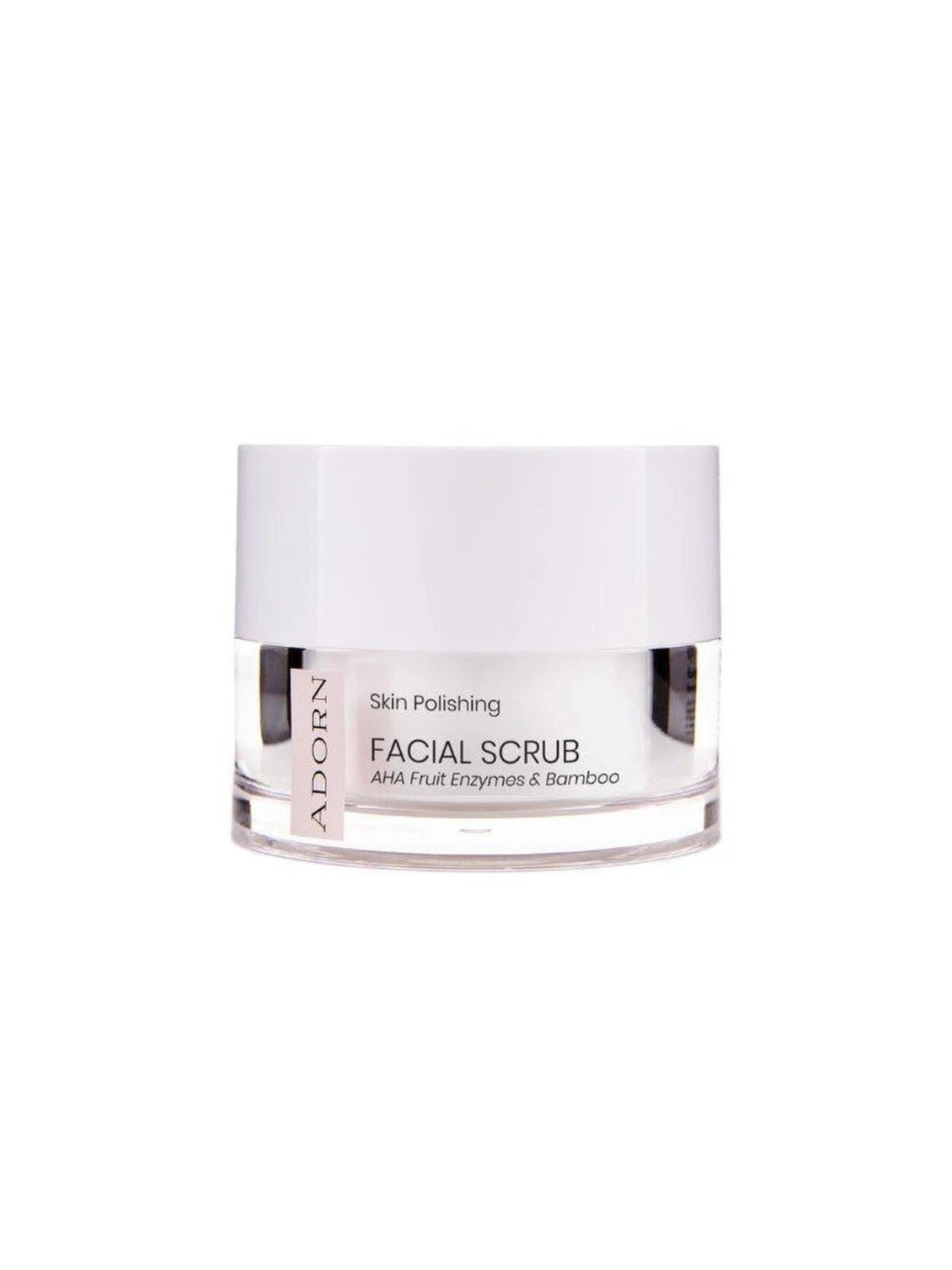
- Exfoliating Bamboo Face Scrub – gently buffs away impurities and dead skin cells to reveal a clear, fresh complexion.

For Dry or Dehydrated Skin
Those with dry, mature, or sensitised skin — including conditions like eczema or rosacea — may actually benefit from comedogenic skincare ingredients with a higher rating. Richer, more emollient oils help form a protective barrier on the skin’s surface, locking in moisture and preventing water loss. Think of it as your skin’s version of a cling film (though we’d never recommend wrapping your head in the real thing).
Comedogenic Oils That Lock in Moisture
- Coconut oil
- Coconut butter
- Soybean oil
- Wheatgerm oil
- Linseed oil
- Avocado oil
Adorn Products for Dry or Mature Skin
- Hyaluronic Acid Plumping Face Serum – hydrates and plumps for a smoother, more supple complexion.

- Day Defence Face & Makeup Oil – rich in nourishing natural oils to replenish and restore radiance.
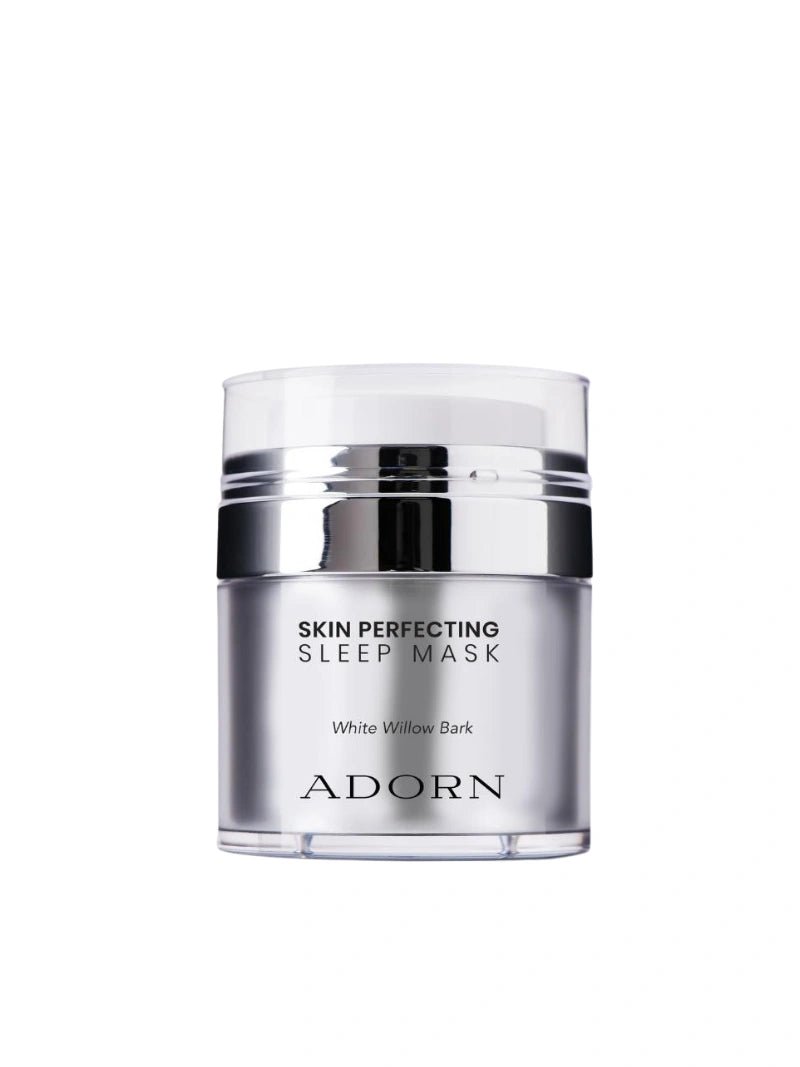
- Overnight Regenerative Sleep Mask – deeply moisturising treatment for soft, glowing skin come morning.

Finding What Works for You
Everyone’s skin is unique — and that means what’s non-comedogenic for one person might not be the same for another. If you’re unsure, always start with a patch test or trial size before committing to full-size products.
Adorn’s Mature Skin Natural Skincare Discovery Set is a perfect way to sample a range of products suited to your skin type before diving in.

And if you’re still unsure about which products to use, consider consulting a dermatologist or skin specialist to tailor a routine that supports your skin’s needs.
The Key Takeaway
When it comes to comedogenic vs non-comedogenic skincare and makeup, the goal isn’t to avoid one entirely it’s about finding balance. Understanding your skin type and the ingredients that work best for you can make all the difference between a calm, glowing complexion and one that’s constantly flaring up.
At Adorn, we believe in skincare and makeup that’s transparent, effective, and designed to work with your skin, not against it.
Related Reading
- How Do You Use Salicylic Acid: Guide, Benefits & Uses
- Best Face Oil for Mature Skin in Australia
- Non Comedogenic Makeup: Full Coverage Without Clogging Pores
Comedogenic vs Non-Comedogenic: FAQs
What does comedogenic mean?
It describes ingredients likely to clog pores and cause blackheads or breakouts; non-comedogenic ingredients don’t.
Which oils are non-comedogenic?
Jojoba, squalane, hemp seed and grapeseed rank low on the comedogenic scale and suit congestion-prone skin.
Which ingredients should acne-prone skin avoid?
Heavy pore-clogging oils like coconut oil and some waxes, plus synthetic fragrance and harsh alcohols for sensitive skin.
Is non-comedogenic the same as oil-free?
No — many oils are non-comedogenic. It means the formula is unlikely to clog pores, not that it contains no oil.
Can dry skin use comedogenic oils?
Yes — richer oils can suit dry skin that isn’t breakout-prone; match the oil to your skin type.